


Transforming Breast Augmentation or Breast Lift Scars: How Paramedical Tattooing Techniques Can Revise Scars.
Breast augmentation can bring confidence and satisfaction, but the scars left behind sometimes cause frustration. These scars vary in size, shape, and color, often standing out against natural skin tones. For many, the visibility of scars can overshadow the positive results of surgery. Paramedical tattooing offers a promising solution to camouflage or revise these scars, helping individuals feel more comfortable and confident in their skin.

Understanding Breast Augmentation Scars
Scars from breast augmentation typically form around the incision sites, which can be under the breast fold, around the areola, or in the armpit. The appearance of scars depends on factors such as:
Skin type and healing ability
Surgical technique
Post-operative care
Individual genetics
Some scars fade over time, becoming thin and pale, while others remain raised, red, or dark. These differences can affect how noticeable the scars are and how much they impact a person’s self-image.
What Is Paramedical Tattooing?
Paramedical tattooing, also called medical tattooing or micropigmentation, involves implanting pigment into the skin to improve the appearance of scars, burns, or skin discolorations. Unlike traditional cosmetic tattoos, paramedical tattooing aims to restore a natural look rather than create decorative designs.
For breast augmentation scars, paramedical tattooing can:
Match the pigment of surrounding skin to camouflage scars
Create the illusion of texture to blend raised or indented scars
Correct uneven skin tones caused by scar tissue
This technique requires a skilled artist trained in color theory, skin anatomy, and scar tissue behavior to achieve the best results.
How Paramedical Tattooing Works for Breast Scars
The process usually starts with a consultation to assess the scar’s size, color, and texture. The artist selects pigments that closely match the patient’s natural skin tone or use an inkless serum to regenerate the elastin and collagen in the scar. The tattooing is done using fine needles to deposit pigment or serum into the upper layers of the skin.
The treatment may require multiple sessions spaced approximately 6 weeks apart to build up color or serum gradually and ensure even coverage.
Benefits of Paramedical Tattooing for Breast Scars
Improved Appearance: Scars become less visible, blending with surrounding skin.
Boosted Confidence: Many patients report feeling more comfortable wearing different clothing styles.
Non-Surgical: The procedure avoids additional surgery and its associated risks.
Long-Lasting Results: Pigments can last several years with proper care.
Real-Life Examples
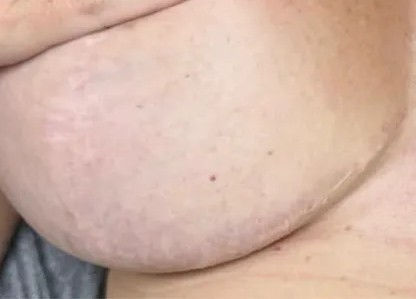
One patient had a noticeable scar under her breast fold that remained red and raised two years after surgery. After three paramedical tattooing sessions, the scar’s color matched her skin tone closely, and the texture appeared smoother. She felt confident wearing swimwear for the first time since her surgery.
Another individual had a wide scar around the areola. The tattoo artist used shading techniques to create a natural gradient, softening the scar’s edges and making it less obvious. This subtle change improved her overall satisfaction with her breast appearance.
What to Expect During and After Treatment
Healing: Expect some redness and slight swelling for a few days. Avoid sun exposure and follow aftercare instructions carefully.
Risks: Infection and allergic reactions are rare but possible. Choose a licensed professional with experience in paramedical tattooing.
Choosing the Right Professional
Finding a qualified paramedical tattoo artist is crucial. Look for someone who:
Has specialized training in medical tattooing
Understands scar tissue and skin tone matching
Shares before-and-after photos of similar cases
Maintains a sterile, professional environment
Consultations allow you to discuss goals, ask questions, and review the artist’s portfolio.


Comments